-
 [email protected]
-
 +66-31240888



 English
 Español
 ไทย
ไทยWill Bagasse Pulp Trays Sag Under Heavy Meals
Heavy takeaway meals can put more pressure on disposable food packaging than a light snack or dry food. Rice bowls, curries, grilled meat, pasta with sauce, and combination meals may create a combination of weight, heat, oil, and moisture. This raises a practical question for foodservice buyers: can a Biodegradable Bagasse Pulp Tray maintain its shape under a substantial food load?
The answer depends on more than the bagasse material itself. Fiber density, wall thickness, tray geometry, moisture exposure, food temperature, and load distribution all influence how well a molded pulp tray performs.
What Makes a Bagasse Tray Resistant to Sagging?
Fiber Density Creates Structural Support
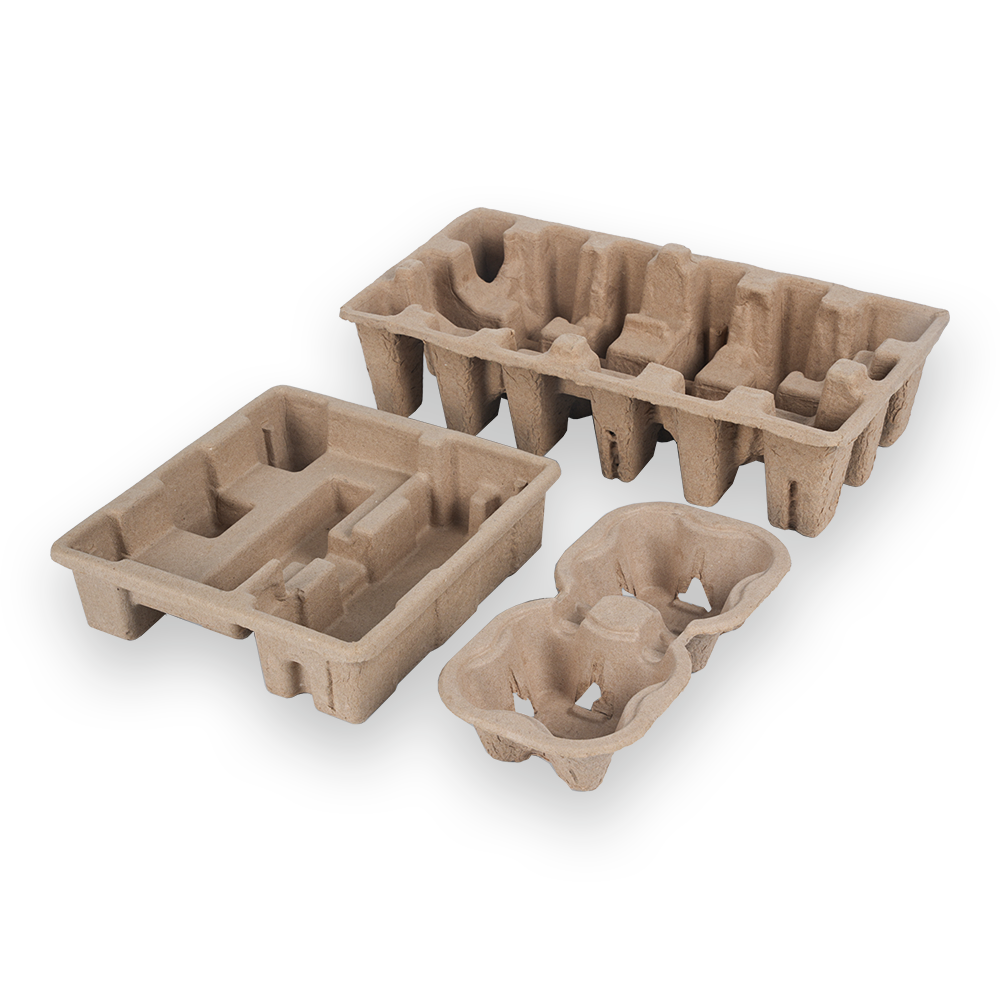
Bagasse trays are produced by forming compressed sugarcane fibers into a defined shape. Higher forming density can create a firmer structure, while uneven density may produce weak areas around the base, corners, or side walls.
- Fiber density: Dense molded fiber generally provides stronger resistance against bending and compression.
- Wall thickness: A thicker wall can improve rigidity, particularly around large tray surfaces.
- Rim design: Raised or reinforced edges can help prevent the tray from flexing during carrying.
- Base structure: Ribs, grooves, and molded contours can distribute food weight across a wider area.
These design details explain why two trays made from the same sugarcane pulp can behave differently under the same meal load.
Does Food Weight Affect Tray Performance?
Food weight is only part of the equation. A 500 g dry meal does not necessarily create the same structural challenge as a 500 g serving of hot curry. Moisture and heat can gradually reduce fiber stiffness, especially during extended holding periods.
| Food Condition | Typical Structural Concern | Useful Tray Feature |
| Dry rice or bakery foods | Moderate static load | Standard rigid base |
| Hot rice with meat | Higher combined weight and heat | Reinforced base and rim |
| Curry or stew | Weight plus moisture exposure | Dense fiber structure and moisture resistance |
| Fried or oily meals | Heat, oil, and extended contact | Grease-resistant surface |
Some commercial bagasse trays are rated for hot food around 95°C, while certain heavy-duty designs specify resistance to hot water or oil around 100°C. Actual performance varies by formulation and construction, so buyers should check the product specification rather than applying a universal temperature rating.
How Does Moisture Change Load-Bearing Ability?
Moisture deserves special attention because molded sugarcane fiber naturally interacts with water. Prolonged exposure to steam, sauces, or liquid food can soften the fiber structure and reduce rigidity.
- Short serving periods generally place less stress on the tray.
- Long delivery periods can increase moisture exposure.
- Hot steam may affect the tray even without visible liquid underneath.
- Oily sauces can add another stress factor alongside heat and moisture.
Recent molded-fiber testing guidance also highlights humidity as a factor that can reduce compressive performance. This makes real-use testing more meaningful than relying only on dry-condition strength figures.
Which Design Details Matter for Heavy Meals?
Shape Can Be as Important as Material
A flat tray with a broad unsupported surface may flex more easily than a tray with molded ribs or deeper side walls. Compartment trays can also distribute food across several sections, reducing concentrated pressure on a single area.
- Deep side walls can improve edge rigidity.
- Raised rims provide additional support during carrying.
- Molded channels can increase stiffness across larger surfaces.
- Multiple compartments help separate food and distribute its weight.
Commercial examples show that bagasse trays are available with different capacities, dimensions, weights, and compartment layouts. A 35 g four-compartment tray, for example, can use a 278 × 213 mm format, demonstrating how product geometry and material quantity are combined to support meal applications.
What Should Buyers Check Before Ordering?
A Biodegradable Bagasse Pulp Tray intended for heavy meals should be evaluated against its actual application rather than judged only by appearance.
- Rated food temperature
- Recommended food weight or load capacity
- Tray weight and wall thickness
- Water and grease resistance
- Base and rim structure
- Expected holding or delivery duration
- Performance under humid conditions
Heavy Meals Require More Than a Strong Material
A bagasse tray does not automatically sag simply because it carries a heavy meal. Proper fiber density, suitable wall thickness, reinforced geometry, and resistance to heat and moisture can make a significant difference. The key is matching the Biodegradable Bagasse Pulp Tray design with the food weight, temperature, moisture level, and service duration expected during actual use.
For takeaway operators and food packaging buyers, a simple load test with the intended meal can reveal practical performance: fill the tray to the target weight, keep the food at its normal serving temperature, and observe base deflection, rim stability, and handling comfort during a simulated delivery period.







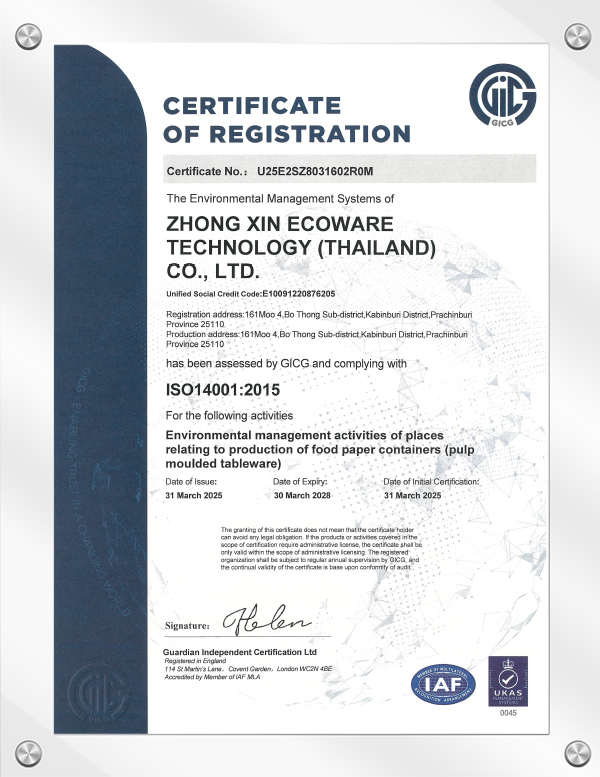
บริษัท จง ซิน อีโคแวร์ เทคโนโลยี (ไทยแลนด์) จำกัด จดทะเบียนเมื่อวันที่ 1 พฤศจิกายน 2566 และเริ่มก่อสร้างอาคารโรงงานอย่างเป็นทางการในเดือนมิถุนายน 2567 ปัจจุบัน โรงงานเฟสแรกได้สร้างเสร็จสมบูรณ์และเริ่มใช้งานแล้ว ส่วนเฟสที่สองกำลังอยู่ระหว่างการก่อสร้างอย่างเข้มข้น
การเข้ามาและพัฒนาของบริษัทจงซินในประเทศไทยได้นำมาซึ่งการลงทุนเริ่มต้นจำนวนมาก เช่น ที่ดิน โรงงาน และการลงทุนต่อเนื่องในการดำเนินงานเพื่ออัปเดตอุปกรณ์ อัปเกรดเทคโนโลยี และขยายกำลังการผลิต
บริษัทจงซิน อีโคแวร์(ไทยแลนด์) สร้างโอกาสการจ้างงานโดยตรงและโดยอ้อมหลายพันตำแหน่ง เพิ่มรายได้ให้รัฐบาล ส่งเสริมการพัฒนาเศรษฐกิจท้องถิ่น พัฒนาซัพพลายเชนในพื้นที่ ให้การฝึกอบรมพนักงานอย่างเป็นระบบ ยกระดับคุณภาพแรงงานท้องถิ่น เติมเต็มความมีชีวิตชีวาให้กับเศรษฐกิจท้องถิ่น เพิ่มความสามารถในการแข่งขันของอุตสาหกรรม และสุดท้ายยกระดับคุณภาพชีวิตของประชาชน
บริษัทจงซิน อีโคแวร์(ไทยแลนด์) ร่วมมือกับโรงงานเยื่อกระดาษในพื้นที่อย่างแข็งขัน เพื่อสำรวจรูปแบบความร่วมมือใหม่ในการพัฒนาผลิตภัณฑ์ใหม่ ปรับปรุงกำลังการผลิตและคุณภาพ พร้อมกันนี้ยังใช้เทคโนโลยีการผลิตขั้นสูง กระบวนการผลิต ประสบการณ์การบริหาร และระบบควบคุมคุณภาพของบริษัท เพื่อส่งเสริมการพัฒนาอุตสาหกรรมนี้ในประเทศไทย
ที่บริษัทจงซิน อีโคแวร์(ไทยแลนด์) เราเชื่อว่าธุรกิจควรเป็นแรงขับเคลื่อนเพื่อสิ่งที่ดี การเดินทางของเราเริ่มต้นจากภารกิจง่าย ๆ แต่ลึกซึ้ง: สร้างโซลูชันที่ปกป้องโลก พร้อมส่งเสริมการดำรงชีวิตอย่างยั่งยืนทั่วโลก
ในฐานะส่วนขยายต่างประเทศของกลุ่มจงซิน ซึ่งเป็นผู้นำด้านเทคโนโลยีสิ่งแวดล้อมชั้นนำในจีน เราได้สืบทอดความเชี่ยวชาญทางเทคนิคหลายทศวรรษและแรงขับเคลื่อนสู่ความคิดสร้างสรรค์อย่างไม่หยุดยั้ง ในปี 2566 เราได้ก่อตั้งฐานในประเทศไทย ณ ใจกลางกลยุทธ์ของเอเชียตะวันออกเฉียงใต้ ไม่เพียงเพื่อขยายธุรกิจไปทั่วโลก แต่ยังเพื่อกำหนดมาตรฐานใหม่สำหรับการผลิตอย่างยั่งยืน

-
-
 +66-31240888
 -
 161 หมู่ที่ 4 ตำบลบ่อทอง อำเภอกบินทร์บุรี จ.ปราจีนบุรี 25110
-
ภาชนะบรรจุแบบนำกลับบ้านจะพอดีกับฝาปิดและขั้นตอนการจัดส่งที่มีอยู่ของคุณ
16 10,2026
-
ผู้ผลิตชานอ้อยควรรวมอะไรบ้างในใบเสนอราคาการสั่งซื้อจำนวนมาก
09 10,2026
-
Beyond Plates: Which Foods Suit Bagasse Tableware
02 10,2026
-
Microwave Reheating: Is a Bagasse Lunch Box Suitable
25 09,2026
-
Can Sugarcane Plates Handle Hot, Greasy Foods
18 09,2026
-
Are Takeaway Food Containers Ready for Saucy Meals
11 09,2026
-
Will Bagasse Pulp Trays Sag Under Heavy Meals
04 09,2026
-
ภาชนะพลาสติกกับเยื่อกระดาษ: อันไหนเหมาะกับการซื้อกลับบ้านมากกว่า
28 08,2026
-
ชามชานอ้อย: แข็งแรงเพียงพอสำหรับซุปและซอส
21 08,2026
-
10 อันดับผู้ผลิตจานชามจากชานอ้อยในประเทศไทย (จัดอันดับ 2026)
18 08,2026
-
วิธีเลือกผู้ผลิตจานชามจากชานอ้อยในประเทศไทย (คู่มือ 2026)
14 08,2026
-
อะไรทำให้ภาชนะบรรจุอาหารปลอดภัยยิ่งขึ้นสำหรับการใช้ในชีวิตประจำวัน
14 08,2026
ลิขสิทธิ์© 2025 บริษัท จง ซิน อีโคแวร์ เทคโนโลยี (ไทยแลนด์) จำกัด
สงวนลิขสิทธิ์
